8D/7N
Phuket Honeymoon Package: Two Tickets to Tropical Bliss




..+1
Starting At:
₹56,000
₹67,999
Per Adult On Twin Sharing Basis
Get up to 40% OFF on
Starting at ₹18,999₹28,000
Get up to 40% OFF on
Thailand Tour Package
Starting at ₹18,999
..+1
Starting At:
₹56,000
₹67,999
Per Adult On Twin Sharing Basis



..+2
Customize Package
Per Adult On Twin Sharing Basis


Customize Package
Per Adult On Twin Sharing Basis
Starting At:
₹34,855
₹45,000
Per Adult On Twin Sharing Basis
..+1
Customize Package
Per Adult On Twin Sharing Basis
Customize Package
Per Adult On Twin Sharing Basis
Starting At:
₹34,999
₹45,800
Per Adult On Twin Sharing Basis
..+1
Starting At:
₹18,999
₹28,000
Per Adult On Twin Sharing Basis
Starting At:
₹54,000
₹64,000
Per Adult On Twin Sharing Basis


..+1
Starting At:
₹25,899
₹42,999
Per Adult On Twin Sharing Basis

..+2
Starting At:
₹86,000
₹1,00,000
Per Adult On Twin Sharing Basis

..+2
Starting At:
₹35,000
₹47,000
Per Adult On Twin Sharing Basis


..+1
Starting At:
₹37,800
₹47,000
Per Adult On Twin Sharing Basis

..+2
Starting At:
₹55,000
₹67,000
Per Adult On Twin Sharing Basis
Planning a holiday usually feels exciting at first. You open tabs. You save photos. You start imagining yourself somewhere else, preferably not at work. Then it shifts. Questions start coming up. Is this place really worth it? Am I missing a better option? Why do ten packages look identical but the prices are all over the place? Thailand shows up again and again during this stage, and honestly, that’s not an accident. It suits a lot of people. Families, couples, solo wanderers, and even those who just want a break without planning every detail.
A well-planned Thailand Tour Package cuts through most of that confusion. Instead of worrying about hotel locations or whether transfers will work, you focus on the actual holiday part. Which is the point? Thailand isn’t just beaches and late nights, no matter what social media pushes. It’s mornings when food carts roll out quietly. It’s stepping into a temple and instantly feeling the noise drop away. It’s roads that are better than expected and systems that, surprisingly, just work. This guide comes from Travel junky who’ve planned trips long enough to know what travelers usually ask only after they land. And yes, those questions come up every time.
Thailand manages a balance that a lot of places don’t. You get variety, but without feeling lost or exhausted by it. One day, you’re in traffic, sweating slightly, grabbing something quick from a roadside stall. Later that same day, you’re sitting in a cool restaurant, proper table settings, wondering how both experiences fit into one country.
What really helps is how connected everything feels. Airports are efficient without being stressful. Roads are mostly smooth. Hotels are used to international guests and know what travelers expect. And locals, even when language becomes a barrier, tend to be patient. That part matters more than people realize.
Some reasons travelers keep returning:
You don’t need to be a seasoned traveler here. Even people on their very first international trip usually settle in faster than they expected.
Thailand often gets reduced to beaches and nightlife. It’s an easy label, but it doesn’t tell the full story. The country has layers, and you notice them once you slow down. Bangkok can feel overwhelming at first. Loud. Busy. It's a little chaotic.
But sit by the river for a while or walk into a temple, and suddenly the pace shifts. Chiang Mai feels different again. Greener. Slower. More reflective. Down south, the islands move gently, but things are still organized enough that you’re not constantly figuring things out. What makes Thailand comfortable is choice. You decide how packed your days are. Some people plan everything. Others barely plan at all. Both approaches somehow work here.
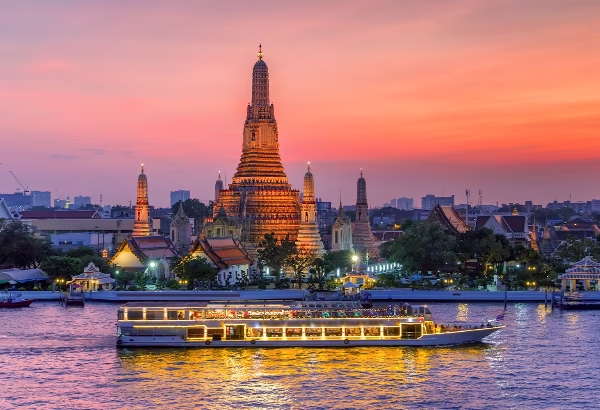
Most trips start in Bangkok. The first impression can be intense. Traffic. Noise. People everywhere. But give it time. The city grows on you in small ways.
Things travelers often enjoy:
Bangkok isn’t about rushing through a checklist. It’s more about observing how the city moves around you. Something that lists like Top 10 Bangkok Attractions: The City That Never Stays Still only begins to explain once you’re actually there.
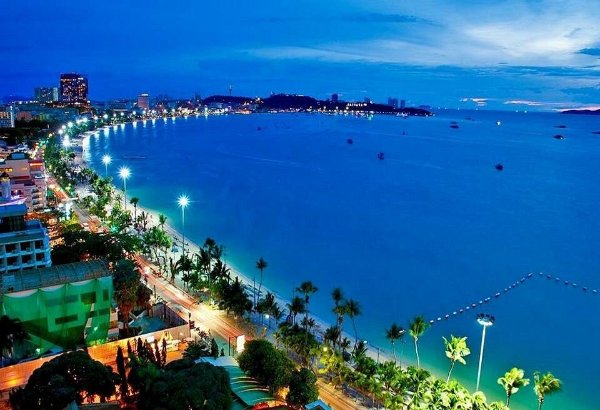
Pattaya works because it’s close. No flights. No long transfers. Just a straightforward drive from Bangkok. That simplicity appeals to many travelers, especially on shorter trips.
People usually enjoy:
It’s more structured than quieter islands, which actually helps first-time travelers feel comfortable.
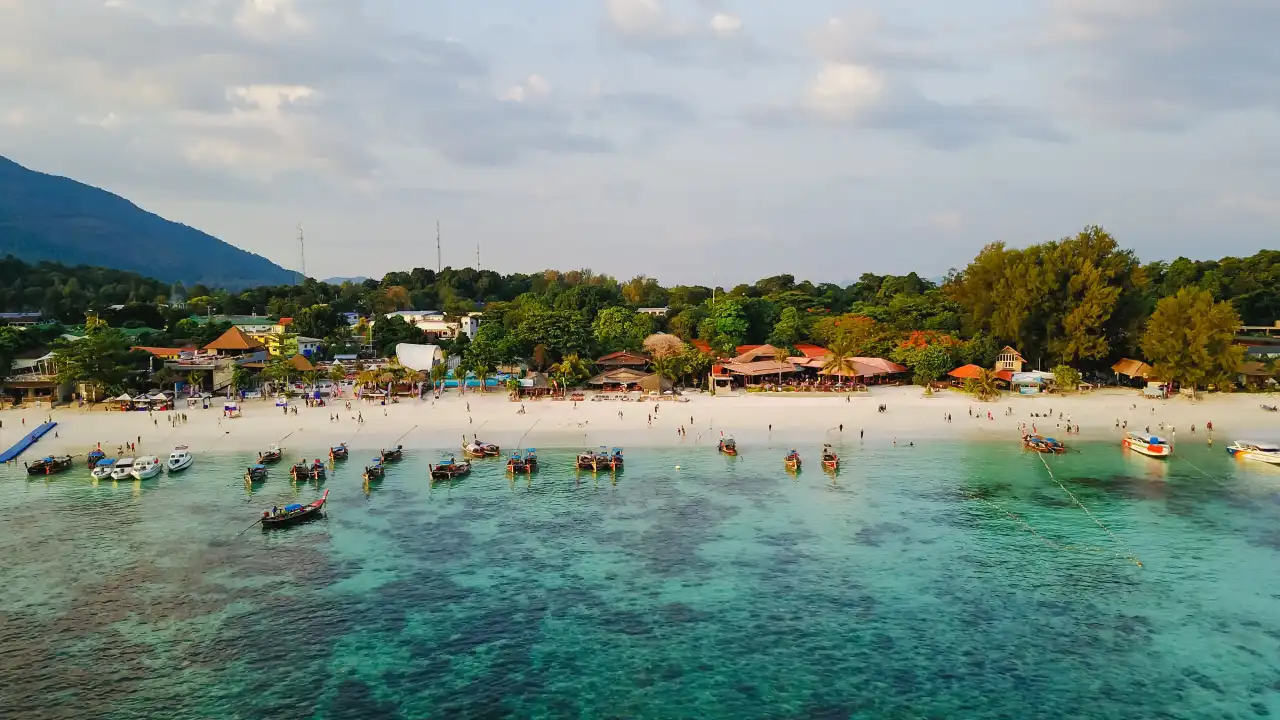
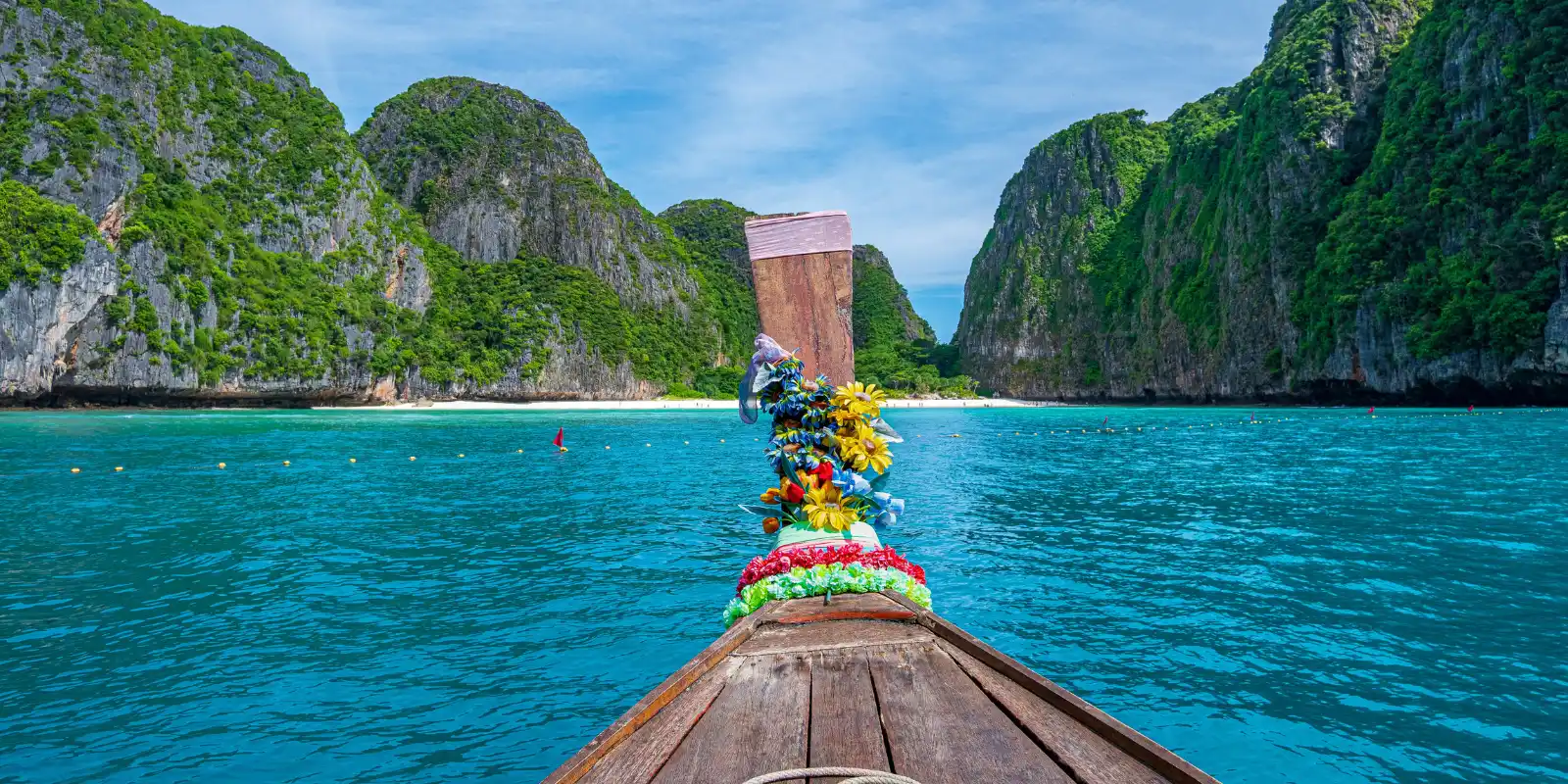
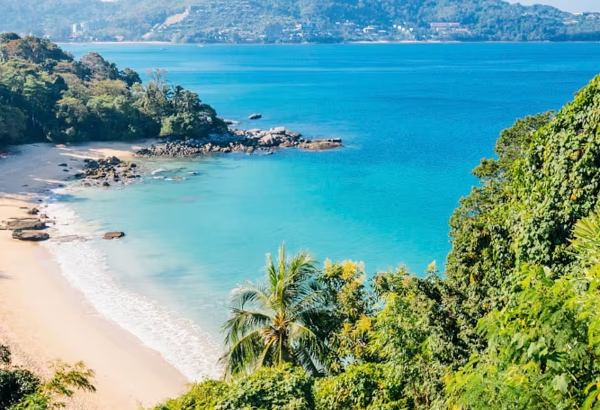
Phuket gives options. Busy beaches if you want energy. Quieter corners if you don’t. Culture, nightlife, and nature all sit close together.
Common experiences include:
Phuket works well if you want variety without constantly changing hotels. In fact, many travelers start with a simple list like Top 10 Things to Do in Phuket: A Complete Guide for Every Traveler and realize most of those experiences are close enough to enjoy without hopping from one place to another.
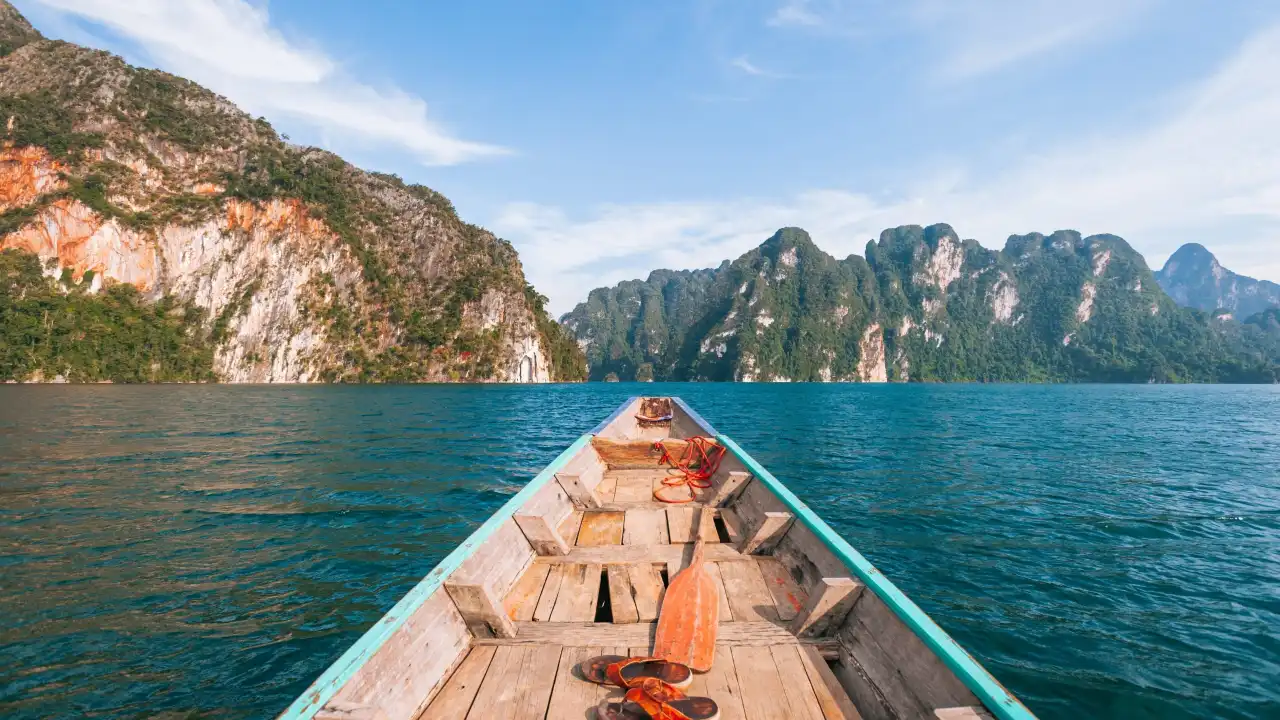
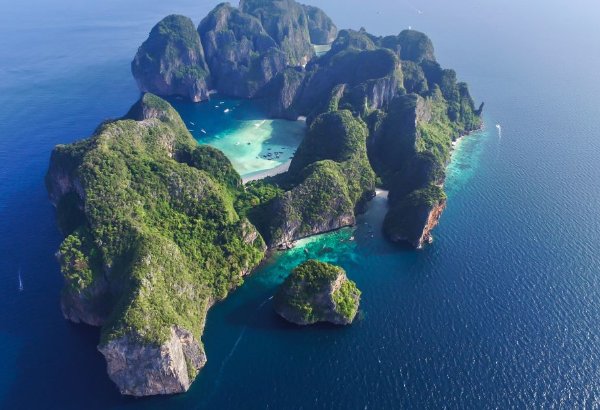
Krabi feels calmer overall. The scenery is dramatic, but the pace stays relaxed. Limestone cliffs, open water, and smaller towns. It sets a different tone.
It suits:
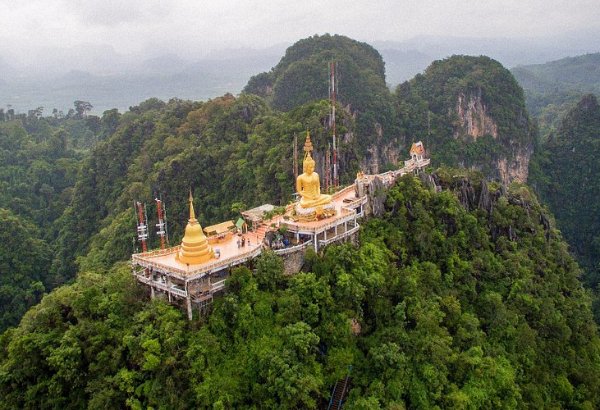
Chiang Mai is often added for balance. Less beach. More everyday life. The pace is slower, and the atmosphere feels settled.
Highlights often include:
It feels authentic without trying too hard to be.
A realistic 10-day trip with friends covering Bangkok, Chiang Mai, and one island stop lands most groups between ₹35,000–55,000 per person excluding flights. Flights from Delhi typically run ₹18,000–30,000 round trip depending on season and routing.
A few cost details that don't show up in most breakdowns but change the math:
When travelers book a Thailand Tour, they usually want things to feel simple. Nobody wants to rush nonstop.
Most itineraries include:
The goal is balance. Enough structure to feel secure, enough freedom to enjoy the place.
Not every trip should look the same. That’s why choosing the right Thailand Package matters more than just picking the lowest price.
It helps to ask yourself:
Clear answers usually make planning easier.
Thailand has a reputation for being affordable, but planning still matters. Many people search for an Affordable Thailand tour and later realize that cheaper often means compromises.
A smarter approach:
Comfort usually comes from better choices, not just lower costs.
If something looks unrealistically cheap, check hotel locations and daily travel times. Long commutes quietly ruin good days.
Food ends up being a big part of Thailand, whether you plan for it or not. You don’t need reservations. Some of the best meals happen standing next to a cart, watching traffic go by.
Moments travelers remember:
These moments aren’t scheduled, but they matter.
Some travelers plan everything themselves. That can work. But many realize halfway through how tiring it becomes.
A professional Travel Package of Thailand usually offers:
It’s not about control. It’s about reducing stress.
Ask if local support is included. One reliable contact can solve problems faster than endless searching.
Thailand keeps showing up on every "best countries to visit in your 20s" list, and for good reason. But most travel content aimed at Gen Z travelers is either too vague ("Thailand is so affordable!") or too polished to be useful. Here's what you actually need before booking with your friends: real numbers, real safety info, honest downsides, and no filler.
Thailand works well for:
It adapts easily to different travel styles.
Day 1 (Bangkok): Grand Palace and Wat Pho in the morning before the heat and crowds peak. Chao Phraya river ferry in the afternoon. Chinatown (Yaowarat) street food at night.
Day 2 (Bangkok): Chatuchak Weekend Market (only open Fri–Sun) or Jim Thompson House on weekdays. Rooftop bar at sunset (many have no cover charge before 7 pm). Khao San Road for the classic group night out.
Day 3 (Bangkok to Chiang Mai): Morning flight to Chiang Mai (roughly 1h20m). Afternoon walking the old city's temples (Wat Phra Singh, Wat Chedi Luang). Evening at the Sunday Walking Street if the dates line up; otherwise, a night market food crawl.
Day 4 (Chiang Mai): Elephant Nature Park, full day, ethical no-riding sanctuary. Evening back in the old city for khao soi at a local shop rather than a tourist-facing restaurant.
Day 5 (Chiang Mai): Doi Suthep temple in the morning for the city viewpoint. Nimman area in the afternoon for cafes. Flight or overnight train back to Bangkok, or onward to an island.
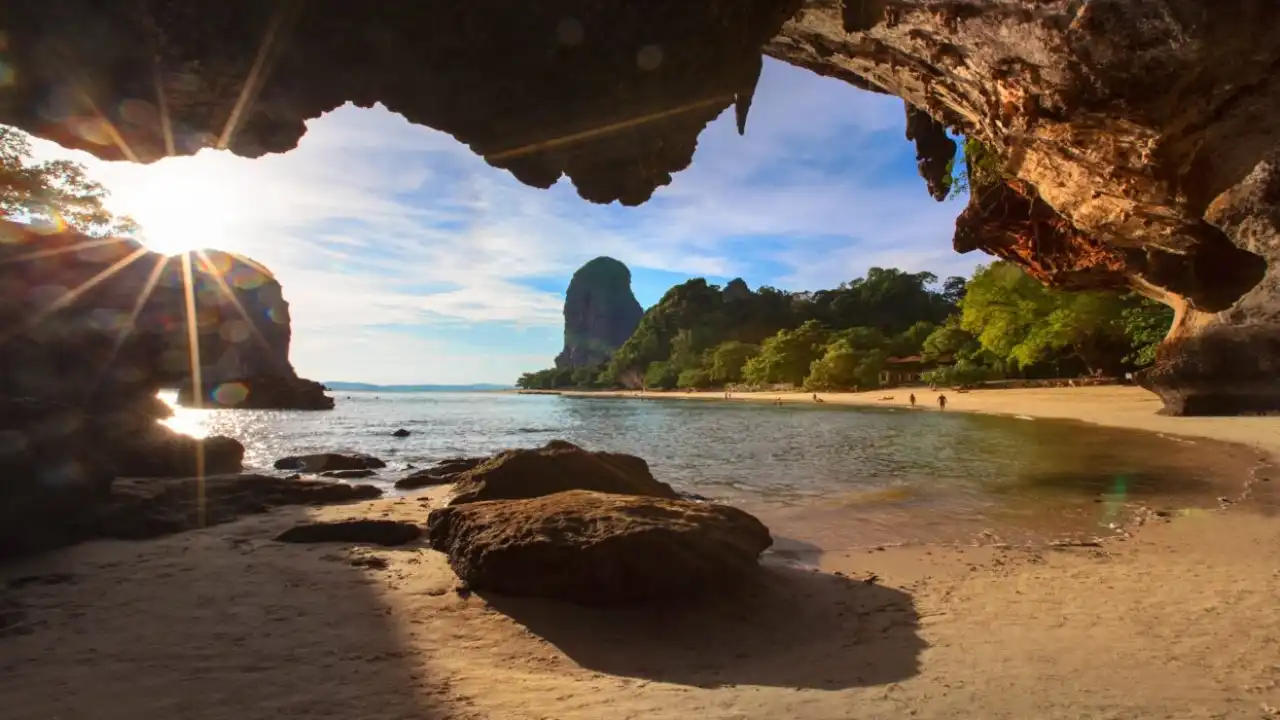
Day 6-7 (Island extension, Krabi example): Arrival and settling into a beach bungalow on Day 6, sunset at Railay Beach. Full-day 4 Islands tour on Day 7, covering Phra Nang Cave Beach, Chicken Island, Poda Island, and Tup Island.
Day 8 (Island): Free day for scooter exploring, rock climbing at Railay (walk-in lessons available, no booking needed), or a slower beach day depending on how Day 7 went.
Groups tight on time can compress this to 5 days by dropping the island extension, or extend it to 10-12 days by adding Koh Phangan for a Full Moon Party stop between Krabi and the flight home. Each block above is designed to stand alone, so pieces can be swapped without breaking the rest of the plan.
Thailand is generally safe and easy to navigate. Transport systems work well, hotels are organized, and tourism services are familiar with international needs.
Basic precautions still apply:
Most issues are minor and avoidable.
Thailand can be visited year-round, but conditions vary.
Each season has its pros and cons.
Traveling in a small group doesn't mean skipping the basics, and knowing the specifics ahead of time keeps the trip smooth rather than relying on vague "be careful" advice.
This is the part most travel content skips because it doesn't sound as good as a highlight reel.
This matters to Gen Z travelers more than most content admits, so it's worth stating plainly rather than glossing over.
Do Indian citizens need a visa for Thailand? No, Indian passport holders can currently enter Thailand visa-free for tourism up to 60 days. Visa policy changes periodically, so confirm current rules close to the travel date rather than relying on older articles.
What documents does immigration usually ask for? A return or onward flight ticket may be requested, along with proof of accommodation for at least the first few nights. These are rarely checked in detail but worth having ready, ideally as offline photos in case phones lose signal or battery at the counter.
Is there a minimum bank balance requirement? Thai immigration officially allows for proof of funds requests (around 20,000 THB per person), though this is inconsistently enforced for Indian tourists arriving with a return ticket and confirmed accommodation.
Does an eSIM work from the moment of landing? An eSIM from AIS, dtac, or a provider like Airalo, activated before departure, connects as soon as the plane lands, skipping the airport SIM counter queue entirely. A 10-15 day data plan for the group runs ₹500-900 per person.
Is an international driving permit actually required for scooters? Technically yes for legal riding and for most travel insurance to be valid in an accident, though rental shops on islands frequently don't check for one. Riding without it doesn't just risk a fine, it can also void insurance coverage if something goes wrong, which is the bigger practical risk.
Thai street food is central to the trip, not a side note. A few specific things worth seeking out:
Some travelers extend their trip by pairing Thailand with nearby countries as part of an International trip package. Connectivity is good, and moving between countries is fairly smooth. This suits travelers with extra time and flexibility.
Budget breakdowns, a realistic itinerary, and honest safety and ethics info get a group most of the way there, but flight routing, hotel selection by neighborhood, and package pricing still take real research to lock down, especially when splitting costs across a group. Travel Junky's Thailand packages are built around exactly this kind of city-by-city planning for small groups, with itemized pricing so there's no guessing what a trip actually costs before booking. If a custom Bangkok-Chiang Mai-island route for your friend group sounds like the plan, that's worth a direct conversation before locking in dates.
Thailand isn’t hard to enjoy. But it’s noticeably better when planned well. The right pace, a mix of structure and freedom, and realistic expectations make all the difference. When done right, a trip here feels easy, comfortable, and memorable. Often good enough that people start thinking about coming back before they’ve even left.
The ideal duration for a Thailand Trip is five to nine days, which is perfect for exploring key destinations like Bangkok, Phuket, Krabi, and Pattaya. But if you want to add Chiang Mai, Koh Samui, or Phi Phi Islands then a 10 to 12-day plan is ideal.
Your Next Adventure
Is A Click Away
Let our specialists build a journey that fits your life, not the other way around. No cookie-cutter tours — just thoughtful, personalised travel.